About DVT Pump
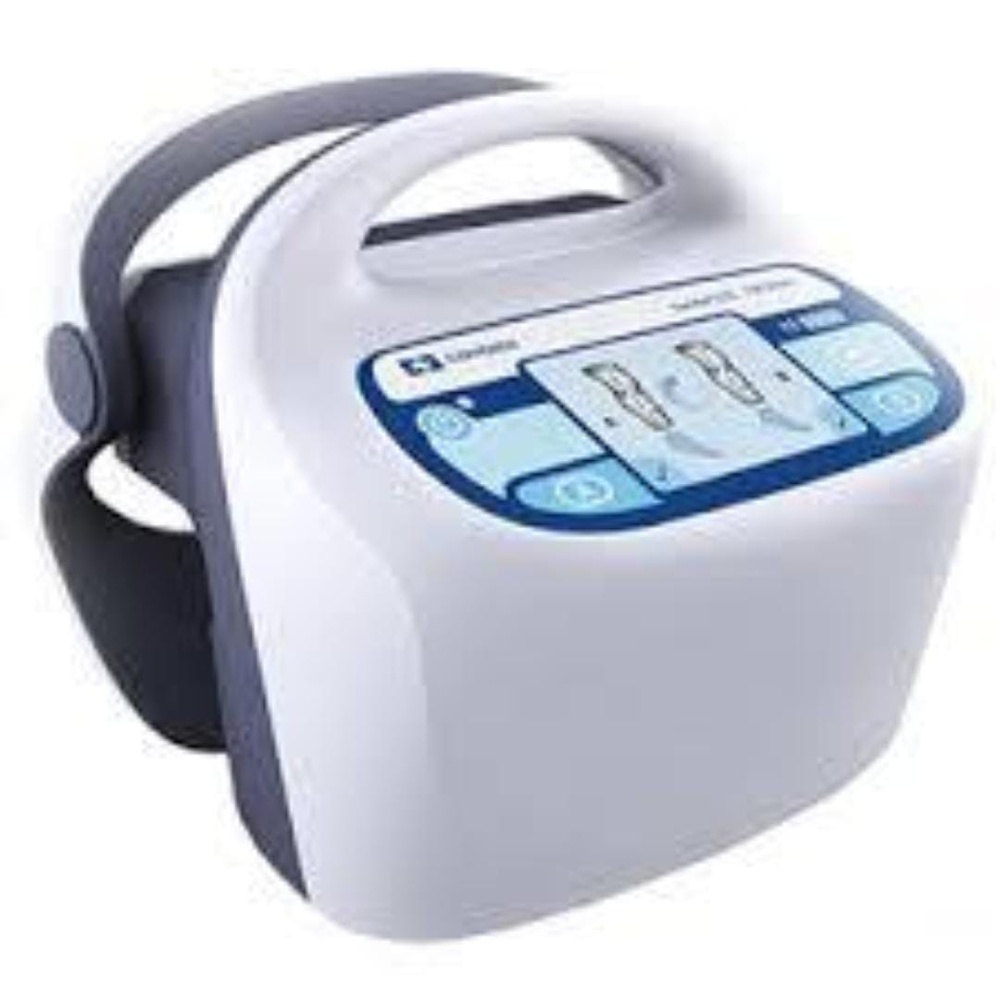
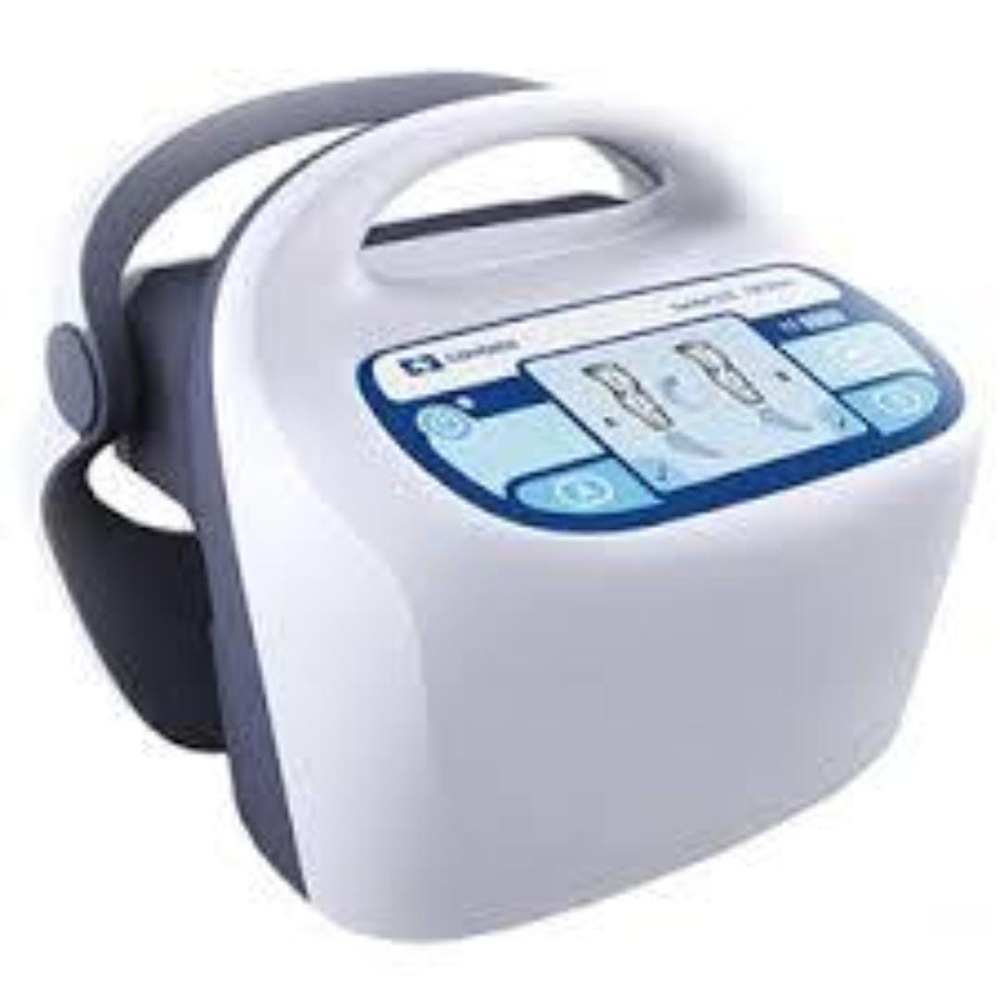
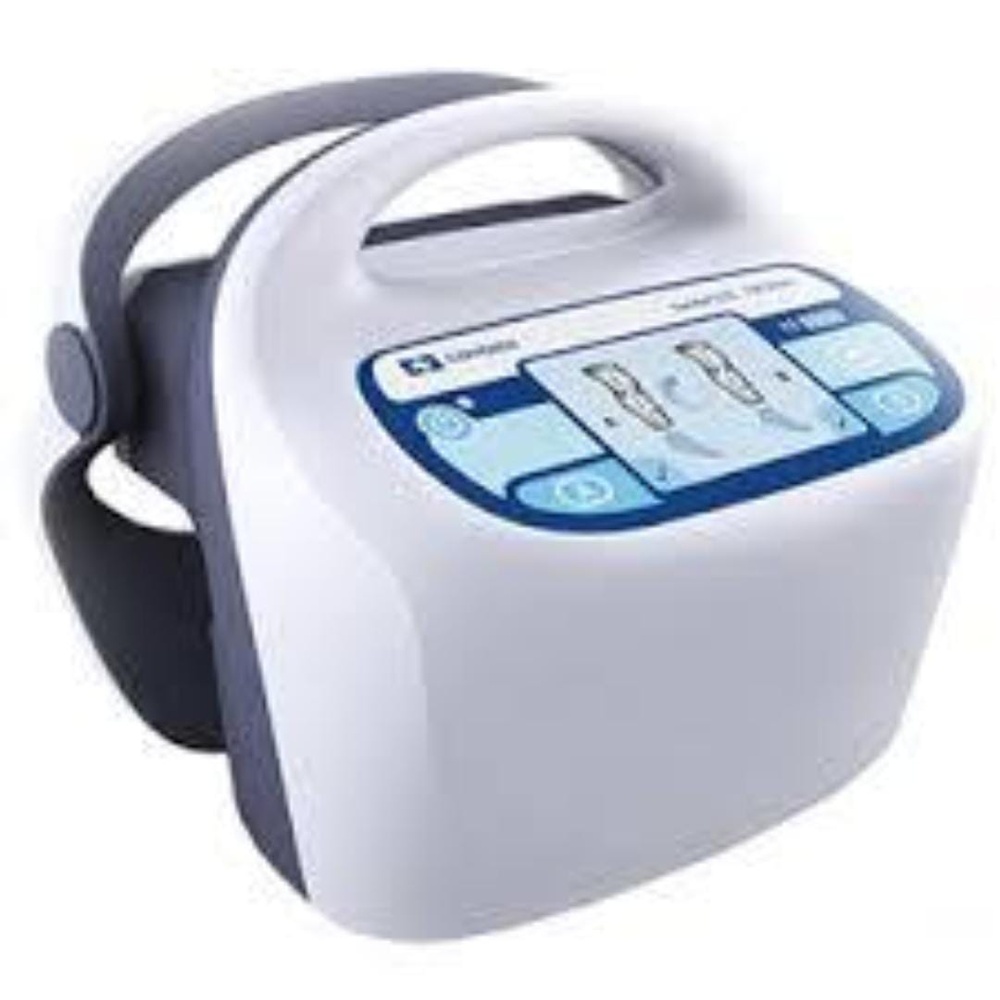
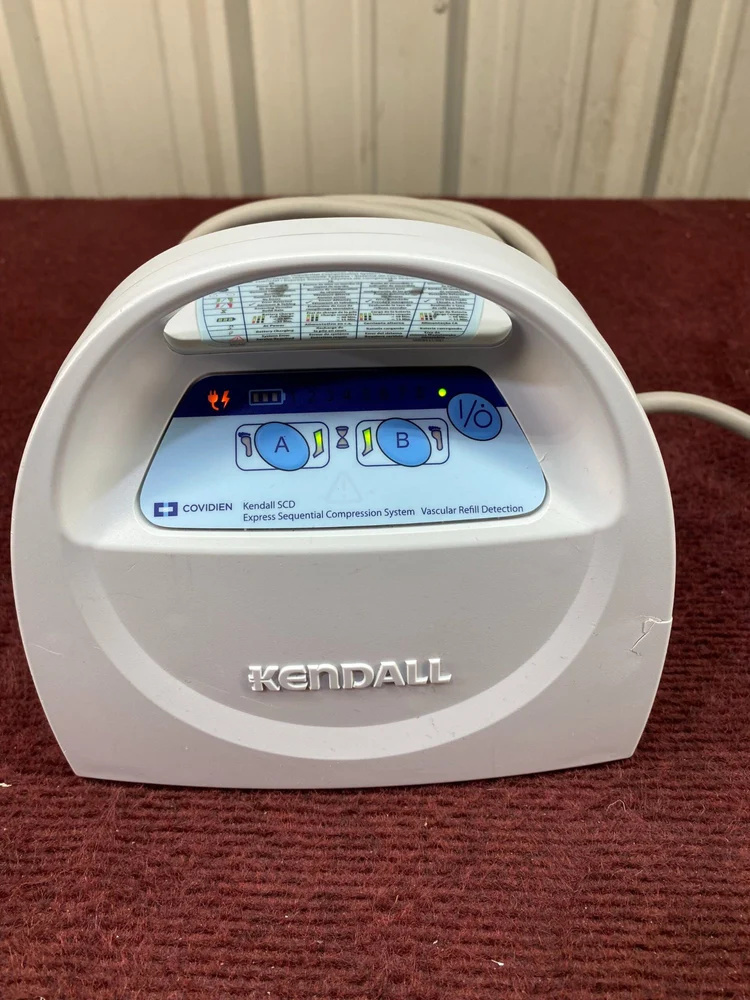
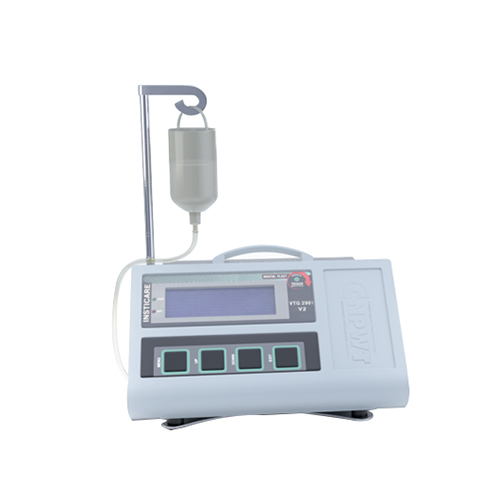
DVT Pump (Intermittent Pneumatic Compression System)
High-performance DVT pump designed to support venous blood flow and reduce the risk of deep vein thrombosis in immobile and post-operative patients. Delivers consistent, intermittent compression with adjustable pressure settings for reliable clinical use.
Compact, quiet, and easy to operate, it is ideal for hospitals, clinics, and home-care providers. Manufactured under strict quality standards with stable supply for bulk and OEM orders.
Key Features:
-
Intermittent / sequential compression
-
Adjustable pressure and cycles
-
Quiet, portable design
-
Medical-grade, durable materials
-
CE / ISO compliant (model-dependent)
Enhanced Patient Safety and ComfortThis DVT Pump prioritizes patient safety with its automatic fault detection, shut-off features, and both audible and visual alarms for malfunctions or low pressure. The universal leg sleeves fit most adults and support both pediatric and adult patients. With a cycle ensuring effective compression and deflation, the pump delivers reliable therapy while maintaining quiet operation and user comfort.
User-Friendly Operation and MonitoringThe membrane keypad and digital LCD display provide intuitive control for healthcare providers. The pump's lightweight, portable design simplifies transport and usage across various hospital or clinical settings. Its 2-meter tubing offers flexibility of placement, while clear color coding and straightforward controls make daily use effortless for clinicians.
FAQ's of DVT Pump:
Q: How does the DVT Pump help in preventing deep vein thrombosis?
A: The DVT Pump applies sequential compression to the legs, enhancing blood circulation and reducing the risk of clot formation. Its automatic cyclic inflation and deflation (60 seconds inflation, 45 seconds deflation) gently encourages venous return, making it effective for DVT prevention, particularly in pre-operative and post-operative patients.
Q: What are the main benefits of using this DVT Pump in clinical settings?
A: Key benefits include enhanced patient safety through alarms and automatic shut-off, adjustable pressure for tailored therapy, universal leg sleeve sizes, and quiet operation (<45 dB), allowing for use in sensitive hospital environments. The pump is also portable and easy to use, ensuring reliable performance for both adults and children.
Q: When should the DVT Pump be used in patient care?
A: This pump is specifically recommended during pre-operative and post-operative periods for patients at risk of developing deep vein thrombosis. It is suitable for use in hospitals, clinics, and during patient recovery, as directed by healthcare professionals.
Q: Where can the DVT Pump be effectively utilized?
A: The DVT Pump is ideal for use in hospitals, surgical recovery wards, clinics, and other healthcare facilities where DVT prevention is required. Its portable design and flexible tubing make it adaptable to various settings where patients may be immobile or have limited movement.
Q: What is the operation process for the DVT Pump?
A: Set up the device by connecting the dual-chamber leg sleeves and tubing. Using the membrane keypad, adjust the desired pressure (40-120 mmHg) and select compression mode (sequential or intermittent). The LCD display provides real-time status, and the device automatically manages inflation and deflation cycles. Alarms notify users of malfunctions or low pressure.
Q: How user-friendly and safe is the DVT Pump for daily use?
A: The DVT Pump is engineered for ease of operation, featuring a digital LCD display and membrane keypad for straightforward control. Safety is enhanced through compliance with IEC 60601-1 standards, automatic fault detection, and audible/visual alarms, ensuring peace of mind for both care providers and patients.
Q: What makes this DVT Pump suitable for both adults and pediatric patients?
A: Its universal leg sleeve design, adjustable pressure settings, and gentle compression cycles cater to a wide range of patient sizes and needs, making it effective and safe for both adult and pediatric users in professional healthcare settings.






 Get Latest Price

 Send Inquiry
 Send Inquiry